Ipoh, Perak · Commercial & Industrial
Commercial & Industrial Property in Ipoh
A buyer’s guide to shop offices, factories and industrial land in Ipoh — what each property type is for, which specifications you cannot change later, what to check at a viewing, and the 12 properties I currently have on the list.
Quick answer. Commercial property in Ipoh means shop lots and shop offices for retail, food and beverage, offices and services. Industrial property means light industrial factory units — terrace, semi-detached and detached — plus industrial land. I currently list 12 properties: 6 industrial and 6 commercial, from RM498,000 to RM1,980,000, across 7 areas (Gopeng, Menglembu, Ipoh Town, Ipoh South, Chemor, Bercham, Lahat). The specifications that decide whether a unit fits — ceiling height, power supply, entrance door and frontage — are on every card below. The buyer’s guide runs underneath the listings: commercial vs industrial, areas, and what to check at a viewing.
Available commercial and industrial properties in Ipoh
12 properties currently on my list, RM498,000 to RM1,980,000. Factories show ceiling height, power supply and entrance door where the developer has published them; shop units show frontage and tenure.
Prices shown are the starting price for the entry unit in each release and change as units sell. Corner and end lots are priced separately. Ask for the current chart before budgeting around any figure here.
Industrial — 6 listed
Factories and light industrial lots in Ipoh — ceiling height, power supply and loading access listed for each.
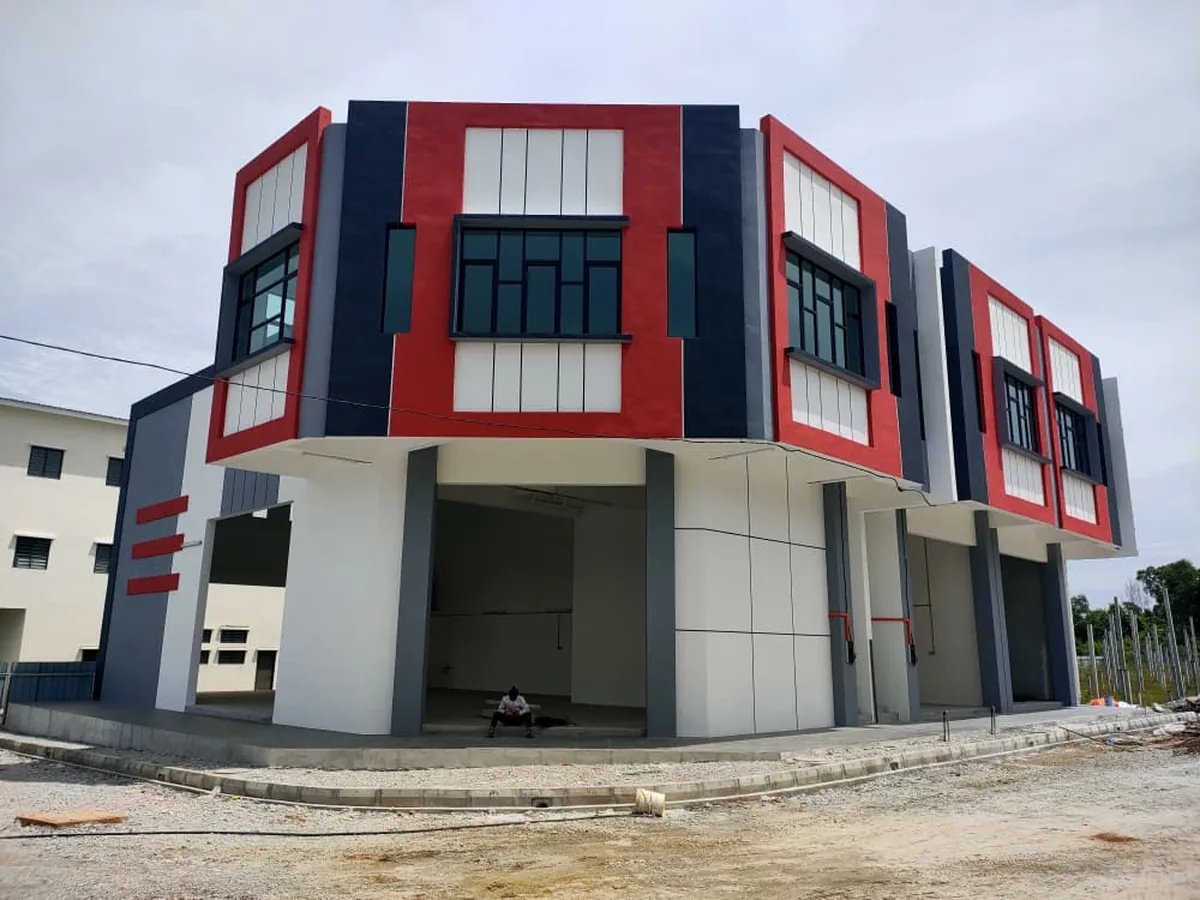 Industrial · GopengNexus Terrace Factory1.5 Storey Terrace FactoryLand25' x 75'Ceiling26 ftPower3-phase, 60 ampTenureLeasehold 99 yearsFrom RM660,000
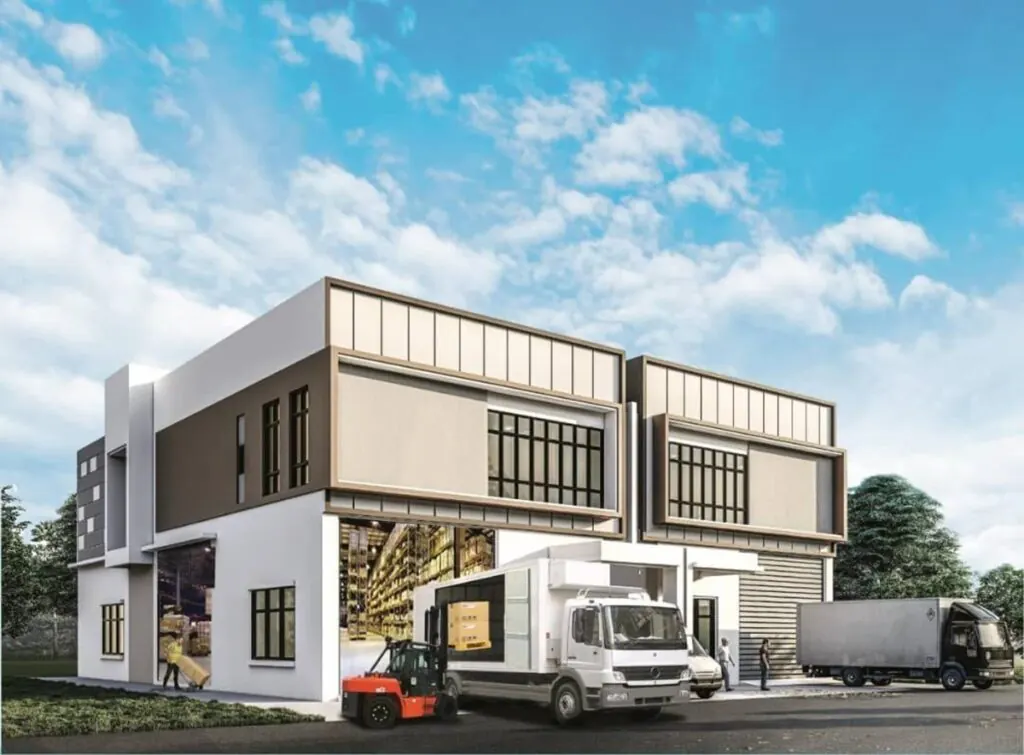 Industrial · LahatLex WorldLight Industrial FactoryBuilt-up3,600 – 6,344 sq ftTenureLeaseholdFrom RM838,880
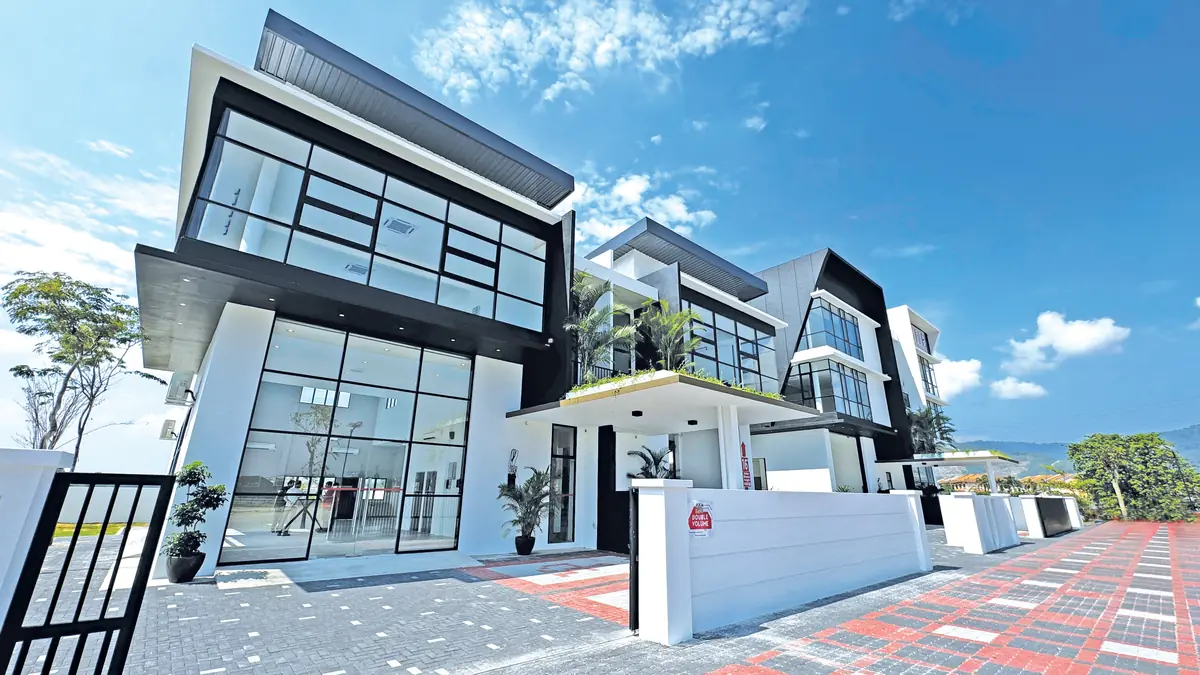 Industrial · MenglembuTKB 2 Storey Semi-D2 Storey Semi-D Light Industrial LotLand45' x 90'Ceiling30 ftPowerGround floor 3-phase 60 ampTenureLeasehold 99 yearsFrom RM863,000
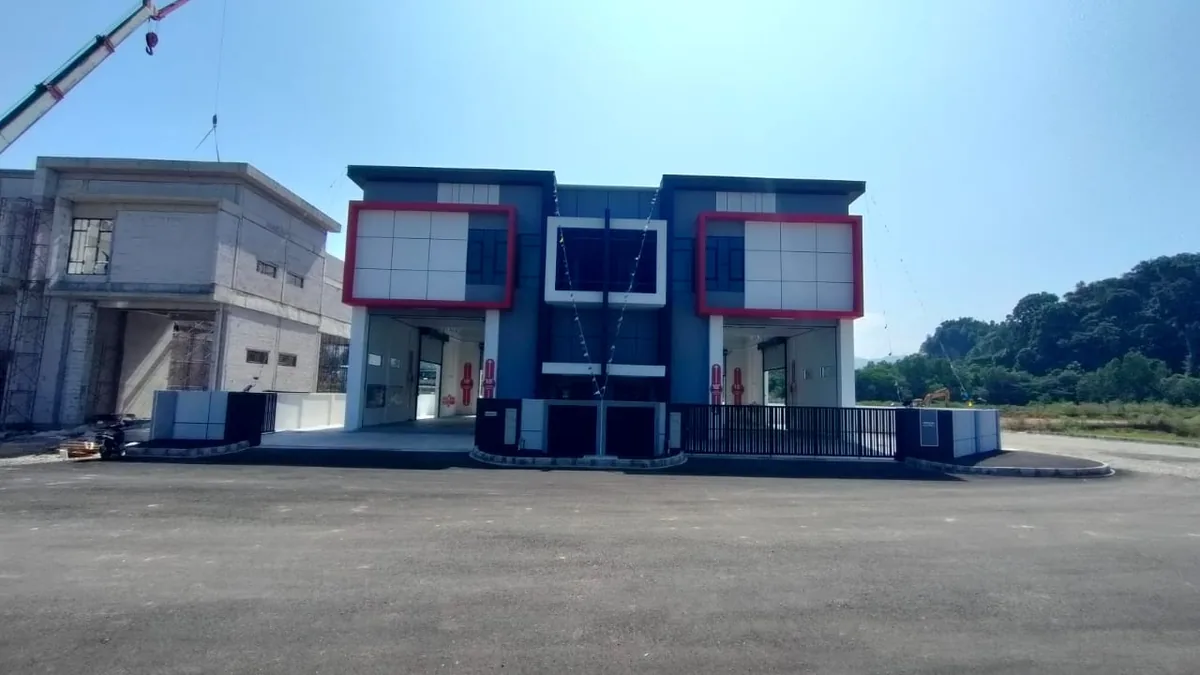 Industrial · GopengNexus Semi-D Factory1.5 Storey Semi-D FactoryLand50' x 100'Ceiling30 ftPower3-phase, 100 ampTenureLeasehold 99 yearsFrom RM1,200,000
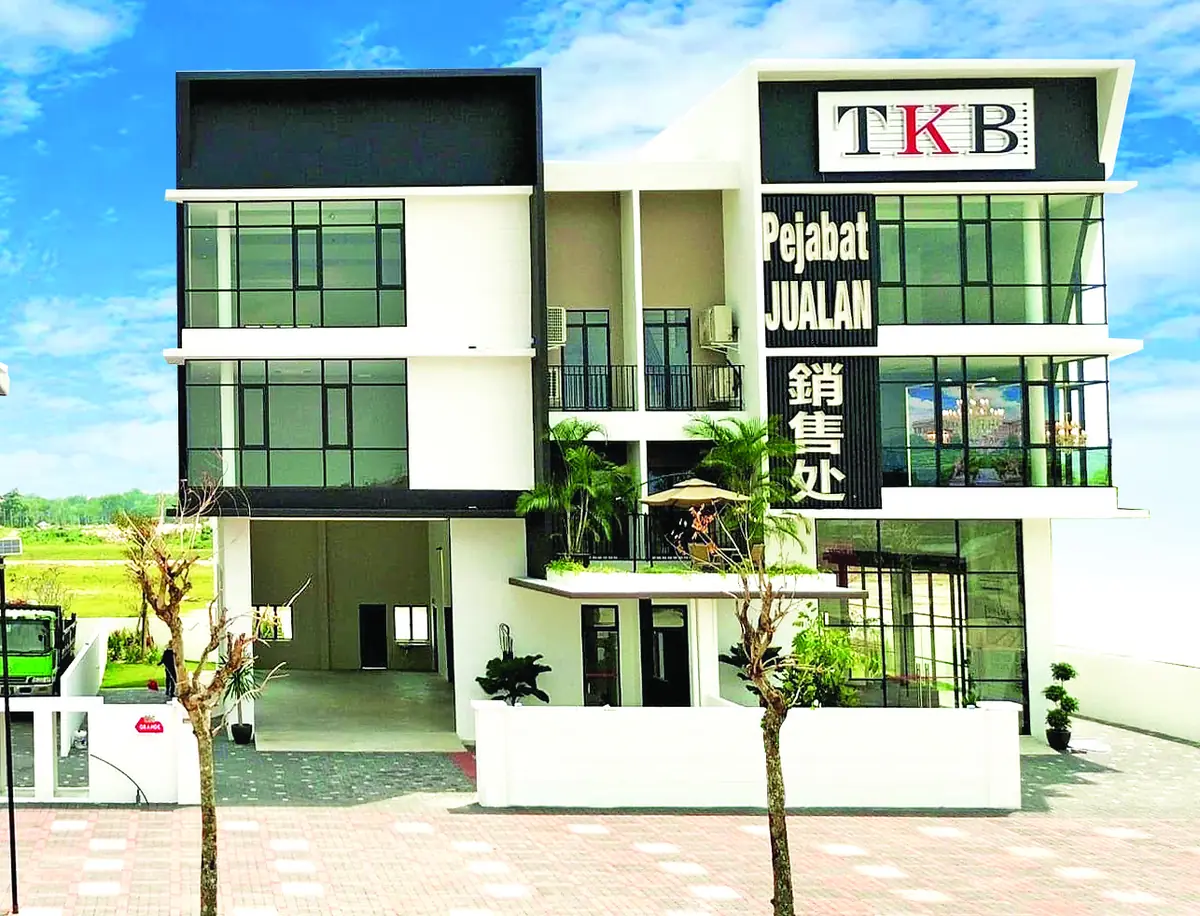 Industrial · MenglembuTKB 3 Storey Semi-D3 Storey Semi-D Light Industrial LotLand45' x 97'PowerGround floor 3-phase 60 ampTenureLeasehold 99 yearsFrom RM1,203,000
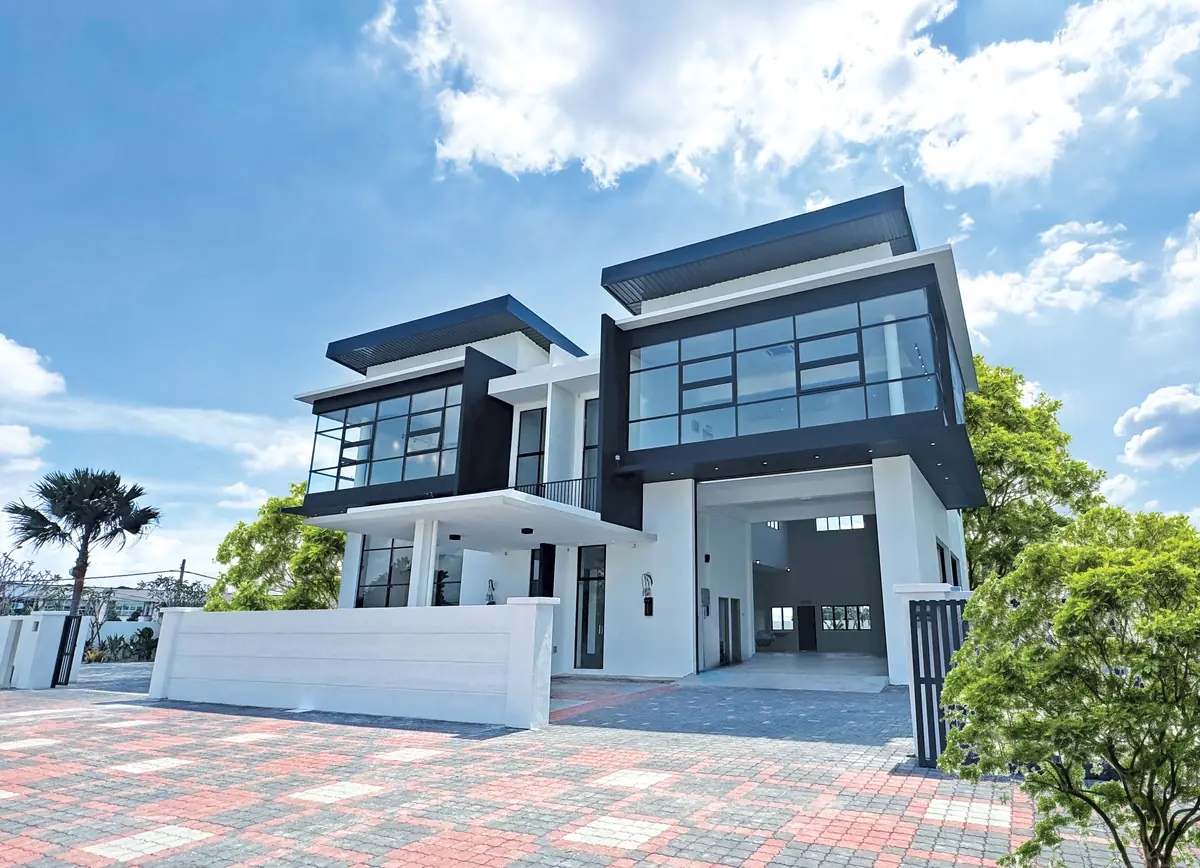 Industrial · MenglembuTKB Detached Industrial2 Storey Detached Light Industrial LotLand75' x 90'TenureLeasehold 99 yearsRM1,498,000
Commercial — 6 listed
Shop offices and shop lots across Ipoh.
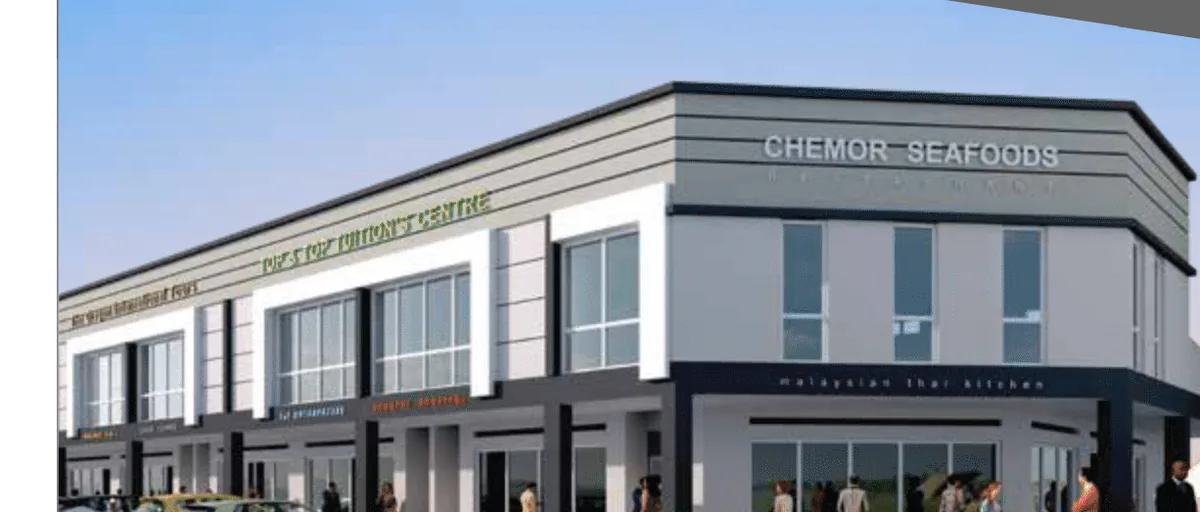 Commercial · ChemorChemor Setia Shop Office1.5 Storey Shop OfficeLand22' x 80'TenureLeasehold 99 yearsFrom RM498,000
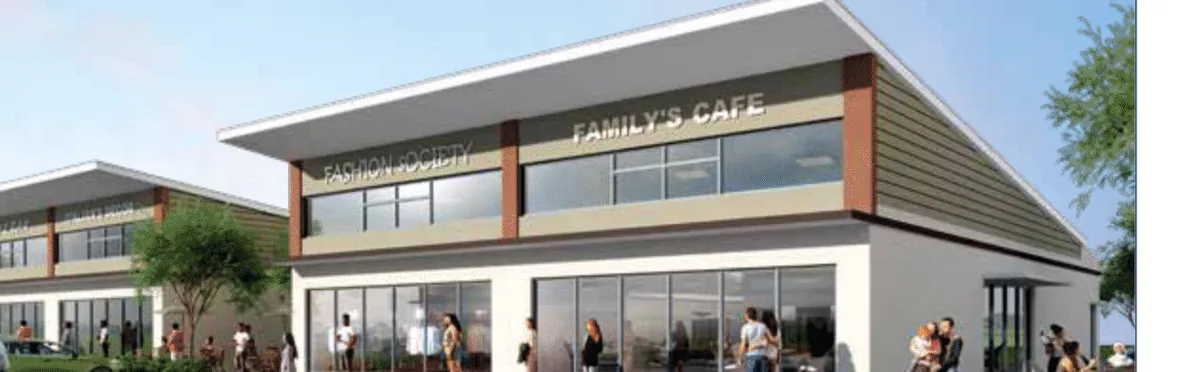 Commercial · ChemorChemor Setia Semi-DSemi-D Shop OfficeLand38' x 85'TenureLeasehold 99 yearsFrom RM498,000
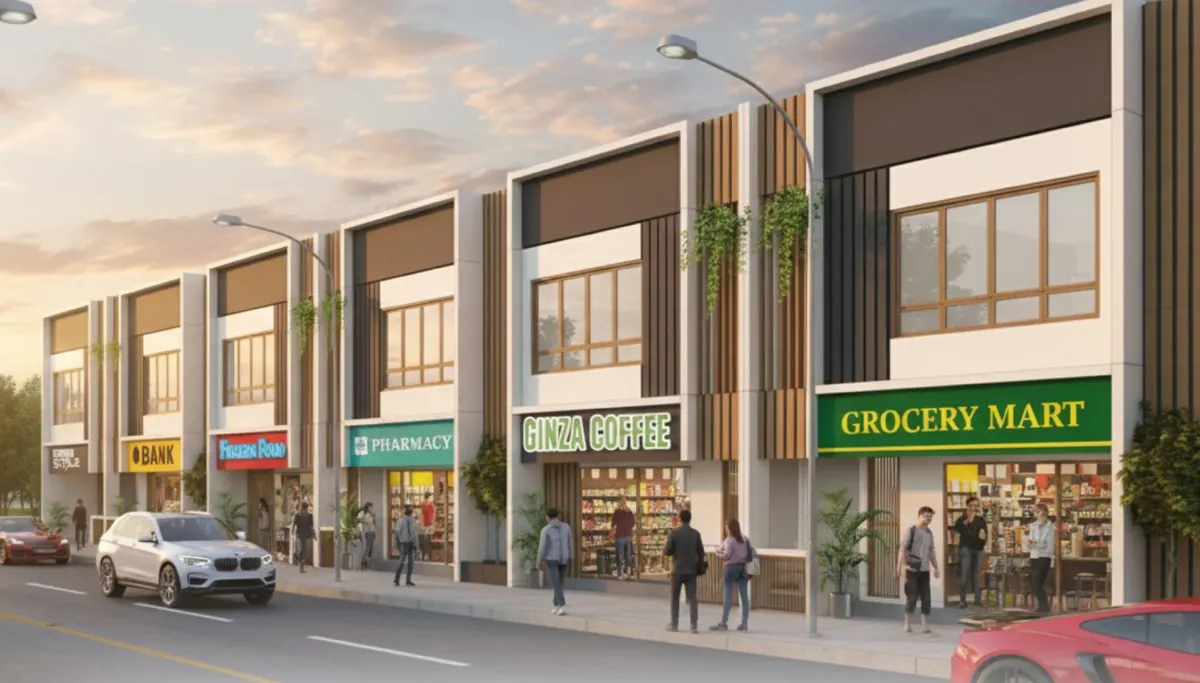 Commercial · Ipoh SouthGinza2 Storey ShopLand22' x 70'TenureLeaseholdStatusCompleted, CCC issuedFrom RM799,000
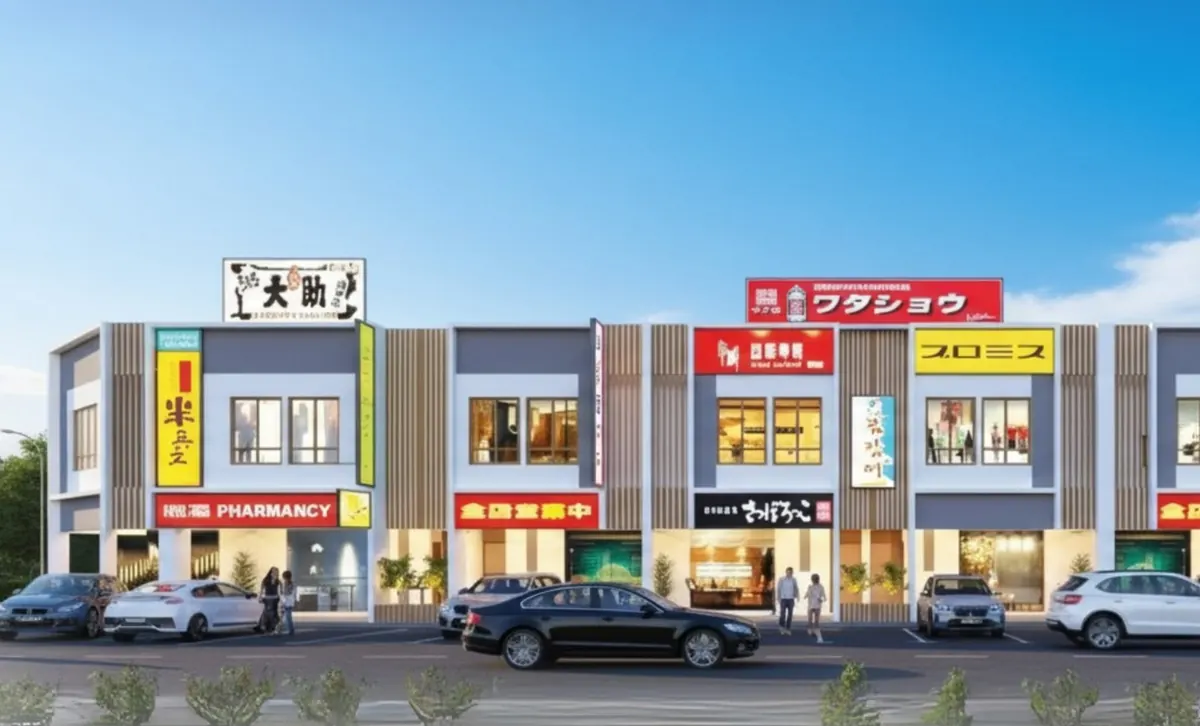 Commercial · Ipoh SouthOishii@Life2 Storey ShopLand22' x 70'TenureFreeholdFrom RM850,000
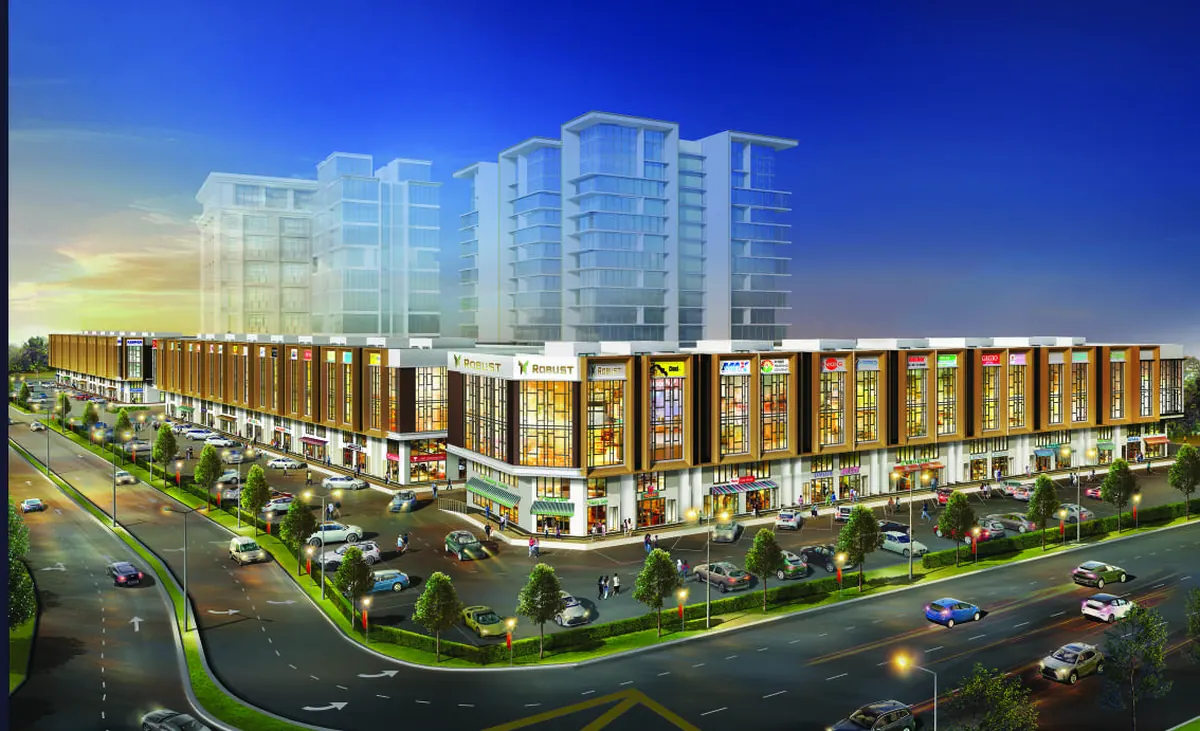 Commercial · BerchamThe Grande @ Bercham3 Storey Shop Office with Mezzanine FloorLand20' x 70'TenureLeaseholdFrom RM1,710,000
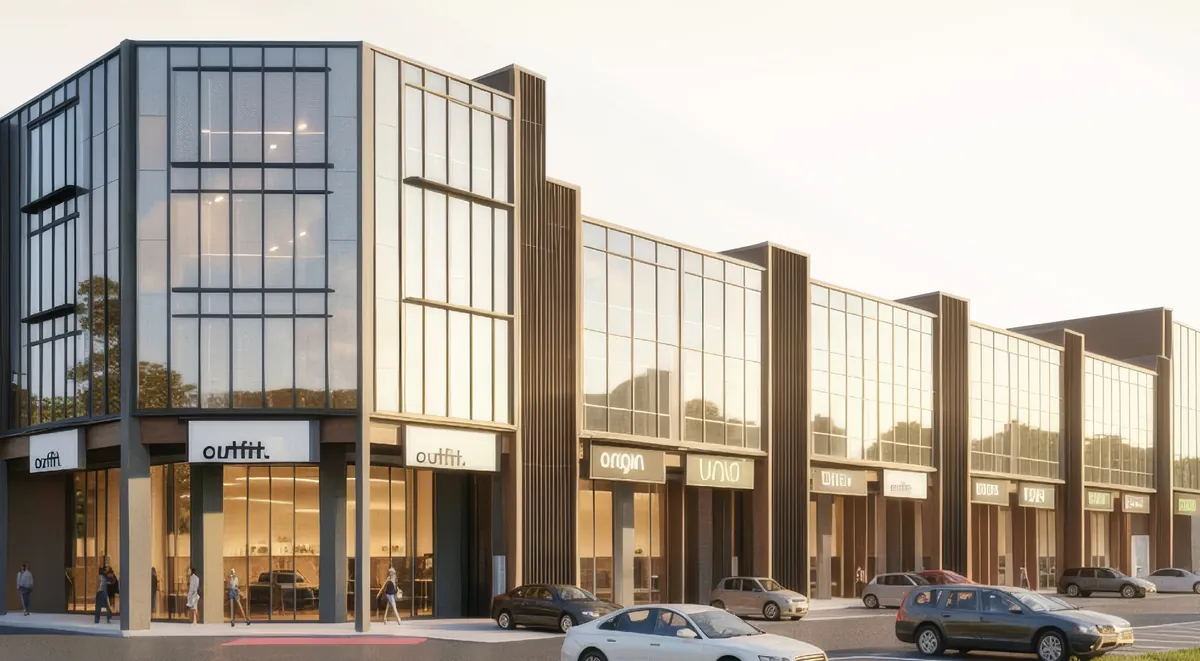 Commercial · Ipoh TownAnderson Boulevard3 Storey Shop Office with MezzanineLand22' x 80'TenureFreeholdFrom RM1,980,000
The buyer’s guide
What each property type is for, which specifications you cannot change after you buy, where these areas are, and what to check at a viewing.
- Commercial property in Ipoh
- Industrial property in Ipoh
- Commercial vs industrial
- Which type fits your business
- Areas in Ipoh
- Checks before buying a factory
- Checks before buying a shop office
- Investment considerations
- FAQ
Commercial property in Ipoh
Almost everything sold as new commercial stock in Ipoh is a shop lot or shop office: a narrow, deep unit of two to three storeys, sold on individual title, with a display frontage on the ground floor and usable space above. Wider commercial buildings and standalone commercial land exist but come to market far less often.
What separates a good unit from a cheap one is rarely the building. It is the frontage width, whether the unit is corner or intermediate, and what already trades on the same row.
- Retail. Frontage width, visibility from the road and how easily a customer parks and walks in. A wider corner unit costs more for a reason — it is seen from two directions and takes signage on two faces.
- Office. Accessibility, parking for staff and visitors, and the businesses around you. Upper floors are usually cheaper per square foot than the ground floor and are often the sensible choice when you do not need walk-in trade.
- Showroom. Frontage plus floor area plus vehicle access. Check the ground floor ceiling height if you are displaying anything tall, and whether you can get stock in without blocking the five-foot way.
- Food and beverage. Check what the row already has, whether grease trap and exhaust provision exists, and where customers park in the evening. An occupied row nearby tells you more than any projection.
- Investment. Rental demand, the realistic tenant, the purchase price and how much competing supply is being built around you.
Shop offices carry commercial title, which affects your financing terms, your assessment and quit rent, and your utility tariffs — all of which are higher than residential. Tenure matters too: see freehold vs leasehold for what the difference actually changes on resale and financing.
Industrial property in Ipoh
Industrial stock in Ipoh is mostly light industrial: terrace factories at the entry end, semi-detached units in the middle, detached units at the top, plus industrial land sold without a building. The product looks similar from the road. What separates one unit from another is a short list of specifications, and most of them cannot be changed after you buy.
The specifications that decide whether a unit fits
- Ceiling height. Determines how high you can rack and whether a gantry, mezzanine or tall machine fits at all. Clear height is what you are really buying on a warehouse-type unit, because the floor plate is fixed and the only way to add capacity is upward. You cannot raise a roof after handover — measure your tallest requirement first and treat it as a hard filter.
- Power supply. Three-phase supply and its amperage decide what machinery you can actually run. Upgrading is possible but is at your cost and on the utility’s timetable, which can run into months. Note that many units provide three-phase on the ground floor only, with single phase above — ask which floor the supply is on, not just whether it exists.
- Entrance door opening. The width and height of the roller shutter set the largest thing that can come in or out. A container lorry needs clearance a van does not. Like ceiling height, this is fixed at construction.
- Floor loading. The ground floor slab has a design load. Heavy machinery, racking and stacked stock all draw on it. Ask for the design figure in writing if your equipment is heavy.
- Loading and turning space. Whether a lorry can reverse to your door without blocking the road, and whether loading is front only or front and side. Side loading is worth real money to a business that receives goods daily.
- Land and built-up area. Land area governs what you can extend to later; built-up area governs what you can use now. A larger land parcel with a smaller building is a different proposition from the reverse — compare both numbers, never one.
- Permitted use and zoning. The title condition and the local authority’s permitted use decide whether your activity is allowed. Some activities need further approvals whatever the title says. Verify this for your specific activity in writing before booking; it is the most expensive item on this list to get wrong.
- Tenure. Leasehold is common in Perak industrial parks. What matters is the years remaining, because that is what your bank prices against and what a future buyer inherits.
- Access and surrounding activity. How far you are from the expressway your goods actually travel on, and whether the workforce you need lives within a reasonable drive. Being inside an active industrial area also means suppliers, contractors and repair services are close by.
Every industrial property listed below shows whichever of these the developer has published. Where a field is absent it is because the source document did not state it — not because it is nil.
Commercial vs industrial property in Ipoh
The two categories are bought for different reasons and judged on different things. Reading the wrong column is how buyers end up with a unit that technically works and practically does not.
| Commercial | Industrial | |
|---|---|---|
| Typical use | Retail, food and beverage, offices, services | Manufacturing, warehousing, logistics, workshops |
| Product types | Shop lots, shop offices, commercial buildings, commercial land | Terrace, semi-detached and detached factories, industrial land |
| Decisive specs | Frontage width, corner position, floor area, parking | Ceiling height, power supply, door opening, floor loading |
| Location logic | Where your customers already are | Where your goods and workforce move most easily |
| Access | Pedestrian and car access, visibility from the road | Lorry access, turning circle, loading bays |
| Parking | Customer parking is often decisive | On-site yard matters more than bays |
| Power | Standard commercial supply usually sufficient | Three-phase supply and amperage often decisive |
| Typical buyer | Owner-operators, F&B, service businesses, investors | Manufacturers, distributors, logistics operators, contractors |
Which property type is right for your business?
- Retail or a customer-facing service. A shop lot or shop office. Prioritise frontage, visibility and parking over total floor area — an extra 200 sq ft upstairs does not bring anyone through the door.
- Office plus showroom. A shop office or a wider commercial unit. You need the ground floor for display and the upper floors for work, so check the ground floor ceiling height and how goods get in.
- Storage or distribution. An industrial unit. Ceiling height and door opening decide your capacity; loading and turning space decides whether daily operations are painless or a running argument with your neighbours.
- Manufacturing. An industrial unit, and permitted use is the first question, not the last. After that: power supply and which floor it is on, floor loading, and clearance for your tallest machine.
- Logistics. An industrial unit chosen mainly on access — road connection, lorry movement on site, and distance to the expressway your routes actually use.
- Holding as an investment. Either category can work. Judge it on purchase price, realistic rent, the tenant you could actually sign, and how much competing supply is coming. See investment considerations below.
Commercial and industrial areas in Ipoh
Ipoh’s industrial activity is spread across several established areas — Tasek, Meru, Jelapang, Menglembu and Lahat — with newer light industrial parks along the southern corridor towards Gopeng. Commercial stock follows the residential townships instead, because a shop needs people already living nearby.
Below is where my current listings actually are. I am not going to tell you one area is the best — that depends entirely on where your customers, goods and workers move.
| Area | Type | Listed | From | Why buyers look here |
|---|---|---|---|---|
| Gopeng | Industrial | 2 | from RM660,000 | South of Ipoh along the North–South Expressway, with its own interchange. Suits operations whose goods move on the expressway rather than through the city. |
| Menglembu | Industrial | 3 | from RM863,000 | West of Ipoh and one of the city’s long-established industrial and commercial areas. The park listed here sits in Menglembu Timur, on the western approach to Ipoh. |
| Ipoh Town | Commercial | 1 | from RM1,980,000 | The city centre and its northern approach. Shop units here trade on existing traffic rather than on a catchment that is still being built. |
| Ipoh South | Commercial | 2 | from RM799,000 | The southern approach to Ipoh, on the circulation road linking Botani, Taman Song Choon and Pengkalan. |
| Chemor | Commercial | 2 | from RM498,000 | North of Ipoh on the trunk road towards Kuala Kangsar. Shop units here serve a local town catchment rather than city-wide traffic. |
| Bercham | Commercial | 1 | from RM1,710,000 | North-east of Ipoh and one of the city’s established residential areas, which is what gives a shop unit here an existing customer base. |
| Lahat | Industrial | 1 | from RM838,880 | South-west of Ipoh. An older mining-era area that now carries a mix of industrial and residential development. |
Looking for an area that is not on this list? Tell me the area and the specification and I will check what is available there, including resale stock that never appears on a developer’s chart.
What to check before buying an industrial property in Ipoh
Take this to the viewing. The first six items cannot be changed after handover.
- Permitted use for your specific activity — title condition and local authority, in writing.
- Ceiling height measured to the underside of the beam, not the ridge.
- Power supply — three-phase or not, the amperage, and which floors it serves.
- Entrance door opening width and height against your largest vehicle or machine.
- Floor loading design figure against your heaviest equipment and stacked stock.
- Loading and turning — walk a lorry’s path on site, front and side.
- Land and built-up area separately, plus what setback remains for future extension.
- Tenure and years remaining, and whether the individual title has issued.
- Utilities — water supply size, drainage, effluent provision if your process needs it.
- Road access and the route your goods actually take to the expressway.
- Surrounding occupiers — who is already operating and how full the park is.
- Price and package — the nett price after rebate, what the developer covers, and what you pay.
- Financing — margin, tenure and rate for a commercial or industrial title, which differ from a home loan.
- Completion and CCC timing if it is under construction, and the liquidated damages position if it is late.
- Future supply — how many more phases the developer intends to release into the same park.
What to check before buying a shop office in Ipoh
- Frontage width and whether the unit is corner, end or intermediate.
- Visibility from the road a customer actually drives on, at the speed they drive it.
- Parking within a short walk, and what it is like at your busiest hour rather than at midday on a weekday.
- Occupied neighbours — how much of the row is trading, and doing what.
- Catchment — how many homes nearby are occupied now, not planned.
- Floor area per level and the ground floor ceiling height.
- Title and tenure, plus whether the individual title has issued.
- Service charge or management arrangement, if the row has one.
- Fit-out provisions — grease trap, exhaust, three-phase, water points if you are in food and beverage.
- Signage rights and what the local authority permits on your facade.
- Price and package — the nett price, the rebate, and how the corner premium is calculated.
- Financing under commercial terms, and the cash you need at signing.
- Realistic rent if you are letting it — what comparable units actually achieve, not what they advertise.
- Competing supply being built within the same catchment.
The general booking mechanics — what you sign, what is refundable and what is not — are the same as residential and are covered in the property booking checklist. Financing capacity works the same way too: see the DSR guide, then the monthly instalment calculator and the upfront cost calculator.
Investment considerations
Commercial and industrial property behaves differently from residential, and the differences cut both ways.
- Tenancies run longer and tenants usually fit out the space themselves, so you are less involved once a lease is signed.
- Vacancy periods run longer too. Replacing a commercial tenant takes longer than replacing a residential one, and you carry the instalment while it is empty.
- Financing is tighter — lower margin of finance and shorter tenure than a home loan, so more of the purchase comes from your own cash.
- Tenant profile is the asset. A long-established operator on a multi-year lease is a different investment from a new business on a one-year term, at the same rent.
- Competing supply matters more. A new row of shops opening nearby has an immediate effect on what you can charge.
- Holding period. Disposal gains are subject to real property gains tax, and the rate depends on how long you have held.
On yields and forecasts. I do not publish rental yield or capital growth figures for Ipoh commercial and industrial property, because I have no verifiable source for them. Anyone quoting you a yield should be able to show you the rent, the price and the property it came from. If you want to work a specific unit, send it to me and we will build the numbers from the actual asking price and the actual rents in that row.
Buying a home rather than a business premises? The residential new launches are listed separately, with prices by area and a guide to choosing an area.
Looking for commercial or industrial property in Ipoh?
Tell me what the property has to do and I will shortlist what actually fits — including units that are not listed on this page, and including the answer that nothing currently on the market suits you.
No charge to you — I am paid by the developer on a completed sale.
Specifications and prices are taken from the developers’ own price lists, project summaries and product sheets, and are re-checked when a new chart is issued. Where a specification is not shown, the source document did not state it. Confirm the figures for the specific unit before you commit.
Compiled and reviewed by MaSk Chan, REN 49335 · IQI Global.
Commercial & industrial property in Ipoh — FAQ
What types of commercial and industrial property are available in Ipoh?
Ipoh's commercial stock is mostly shop lots and shop offices — typically two to three storeys, sold on individual title, with a retail or service business on the ground floor. Industrial stock is mostly light industrial: terrace, semi-detached and detached factory units, plus industrial land sold without a building. On this page I currently list 12 properties — 6 industrial and 6 commercial — across 7 parts of Ipoh (Gopeng, Menglembu, Ipoh Town, Ipoh South, Chemor, Bercham, Lahat). Which type suits you depends on your business activity, the land and built-up area you need, and what the title permits.
How much does commercial property in Ipoh cost?
The commercial units listed on this page start from RM498,000 for a shop office and reach the seven figures for a three storey unit with mezzanine in an established catchment. Price is driven by land size, built-up area, frontage width, corner or intermediate position, tenure and how much trade already exists around the unit. A corner lot in the same row is normally priced well above an intermediate one, so compare like for like before drawing conclusions from a headline figure.
How much does industrial property in Ipoh cost?
The industrial units listed here start from RM660,000 for a terrace factory and rise with land size, number of floors and specification. What moves the price most is land area, built-up area, ceiling height and power supply — a unit with three-phase supply and higher clearance costs more than the same footprint without them, and that difference is usually cheaper to buy than to retrofit. Industrial land without a building is priced per acre and sits on a different basis again.
What is the difference between commercial and industrial property in Ipoh?
Commercial property is intended for retail, offices, food and beverage and services; industrial property is intended for manufacturing, warehousing, logistics and workshops. In practice the differences you feel as a buyer are: commercial units are narrower with a display frontage and rely on passing customers, while industrial units are wider and deeper with roller shutter access, higher ceilings and heavier power supply. The permitted use comes from the title and local authority approval, not from the marketing name — check it before you commit.
Which areas in Ipoh are suitable for commercial property?
It depends on who your customers are. A shop that lives on passing trade wants an established residential catchment and a road people already use; a service business that customers travel to deliberately can take a cheaper unit further out. The commercial units I currently list are in Ipoh Town, Ipoh South, Chemor, Bercham. Rather than ranking areas, compare the actual catchment around each unit: how many homes are already occupied nearby, what businesses already trade there, and whether the road brings people past the door.
Which areas in Ipoh are suitable for industrial property?
Ipoh's industrial activity is spread across several established areas, including Tasek, Meru, Jelapang, Menglembu and Lahat, with newer light industrial parks along the southern corridor towards Gopeng. The industrial units I currently list are in Gopeng, Menglembu, Lahat. The practical test is access rather than prestige: how a lorry gets in and out, how far you are from the expressway your goods actually travel on, and whether the workforce you need lives within a reasonable drive.
What should I check before buying a factory in Ipoh?
Six things decide whether a unit fits: permitted use on the title, ceiling height, power supply (whether three-phase is provided and at what amperage), the entrance door opening, floor loading, and how a lorry manoeuvres on site. Ceiling height and door opening cannot be changed later; power supply can be upgraded but at your cost and on the utility's timetable. Take your tallest rack, your heaviest machine and your largest delivery vehicle to the viewing as your measuring sticks, and get the specification in writing before booking.
What should I check before buying a shop office in Ipoh?
Start with frontage width and visibility from the road, then parking within walking distance, then what is already trading on either side. After that: tenure and title type, whether the unit is corner or intermediate, floor area on each level, and the service charge or management arrangement if the row has one. If you are buying to let, ask who the realistic tenant is and what similar units nearby are actually let at — not what an advertisement asks.
Can I use an industrial property for manufacturing or warehouse purposes?
Only if the title condition and the local authority's permitted use allow that activity. Light industrial titles cover many workshop, assembly, storage and distribution uses but not everything, and some activities need additional approvals regardless of the title. Verify the permitted use for your specific activity in writing before you book — this is the single most expensive thing to get wrong on an industrial purchase.
Can I buy commercial property in Ipoh for my own business?
Yes. Owner-occupation is common for shop offices and factory units, and financing for an owner-occupier is often assessed more favourably than for a pure investment purchase. Confirm that your intended activity is permitted for that specific property, and budget for renovation, signage approval and utility connection on top of the purchase price.
Is commercial property in Ipoh a good investment?
It can be, but it behaves differently from residential. Commercial and industrial tenancies tend to run longer and the tenant usually fits out the space, while vacancy periods between tenants tend to be longer too, and financing terms are less generous than for a home. Whether a specific unit works depends on the purchase price, realistic rent, tenant profile, occupancy in the surrounding row and how much competing supply is being built nearby. I do not publish yield figures for Ipoh because I have no verifiable source for them — treat any that you are shown as a claim to check, not a fact.
Is it better to buy or rent commercial property in Ipoh?
Rent if you are still testing the location, the business is young, or you may outgrow the space within a few years — the upfront cash is far lower and you can move. Buy if the location is settled, you intend to stay for the long term, and the instalment is comparable to the rent you would otherwise pay. Run both numbers before deciding: the monthly instalment on the mortgage calculator and the cash needed at signing on the upfront cost calculator.
Can foreigners buy commercial or industrial property in Ipoh?
Foreign buyers can acquire commercial and industrial property in Malaysia, but state minimum purchase thresholds and consent requirements apply, and they differ from the residential rules and change over time. Perak sets its own floor price and its own consent process. Verify the current Perak requirement for the specific property and title type before committing — and note that company purchases and individual purchases are treated differently.
Can I get a bank loan for commercial or industrial property in Ipoh?
Yes, but expect different terms from a home loan: a lower margin of finance, a shorter tenure and pricing that reflects the property type and your business profile. Banks assess the business as much as the property, so accounts, bank statements and existing commitments matter. Your debt service ratio still governs the outcome — the DSR guide explains how that is calculated.
How do I choose the right commercial or industrial property in Ipoh?
Work from the requirement, not the listing. Write down the activity, the land and built-up area you need, ceiling height and power for industrial, frontage and parking for commercial, then your budget and how long you intend to hold. Shortlist on the specifications that cannot be changed later, and only then compare price. Across the 12 properties on this page the range runs from RM498,000 to RM1,980,000, so the constraint is usually the specification rather than the money.